
Content pillar · Preventive care
Pet Vaccination in Ensenada
Complete schedules for dogs and cats, mandatory rabies vaccine, common myths, and everything you need to keep your pet protected throughout life.
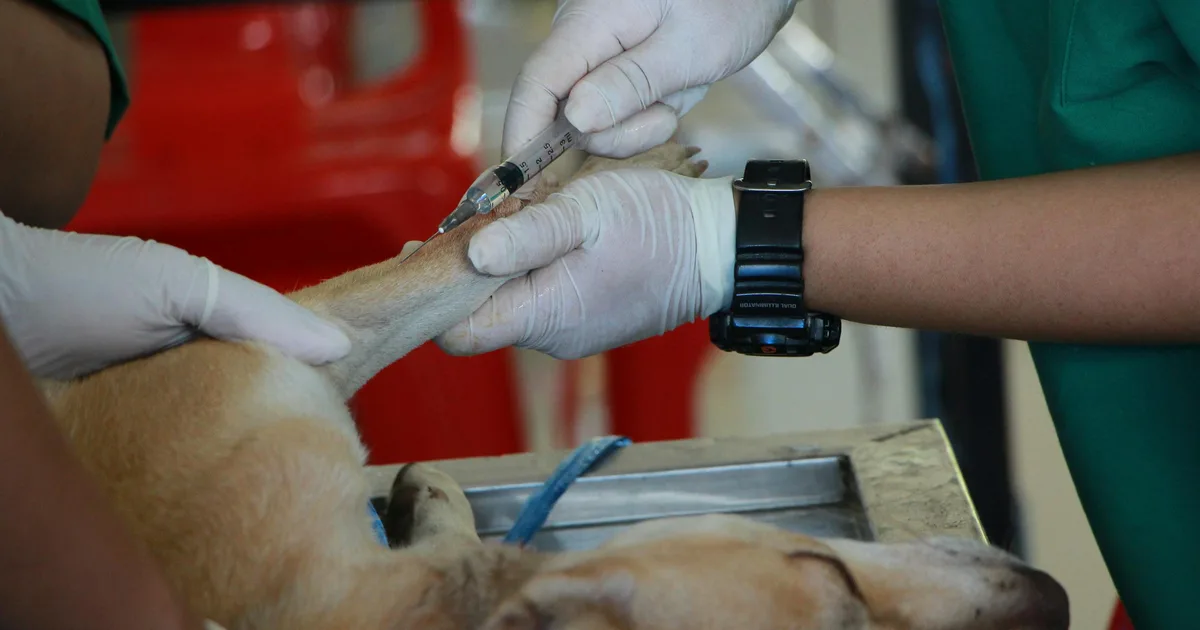
Why vaccinate your pet?
Vaccination is the most effective, safe, and affordable tool to protect your dog or cat from serious diseases. In Mexico, viruses like canine parvovirus, distemper, feline panleukopenia, and rabies still circulate and still kill unvaccinated pets every year. The good news: prevention is simple and accessible.
Vaccinating your pet offers three concrete benefits:
- Individual protection: activates the antibodies that will defend your pet against the specific viruses each vaccine is designed for.
- Community protection: a vaccinated population reduces virus circulation in the environment and also protects young, geriatric, or immunosuppressed animals that cannot be vaccinated.
- Legal compliance: rabies is mandatory by state law in Baja California; other vaccines are de facto requirement for boarding, travel, and veterinary procedures.
Vaccination schedules by species and age
Each species has its own calendar, and within each species there are differences by age and lifestyle. These are the three most common scenarios; each has its detailed guide with schedules, brands, costs, and FAQs:
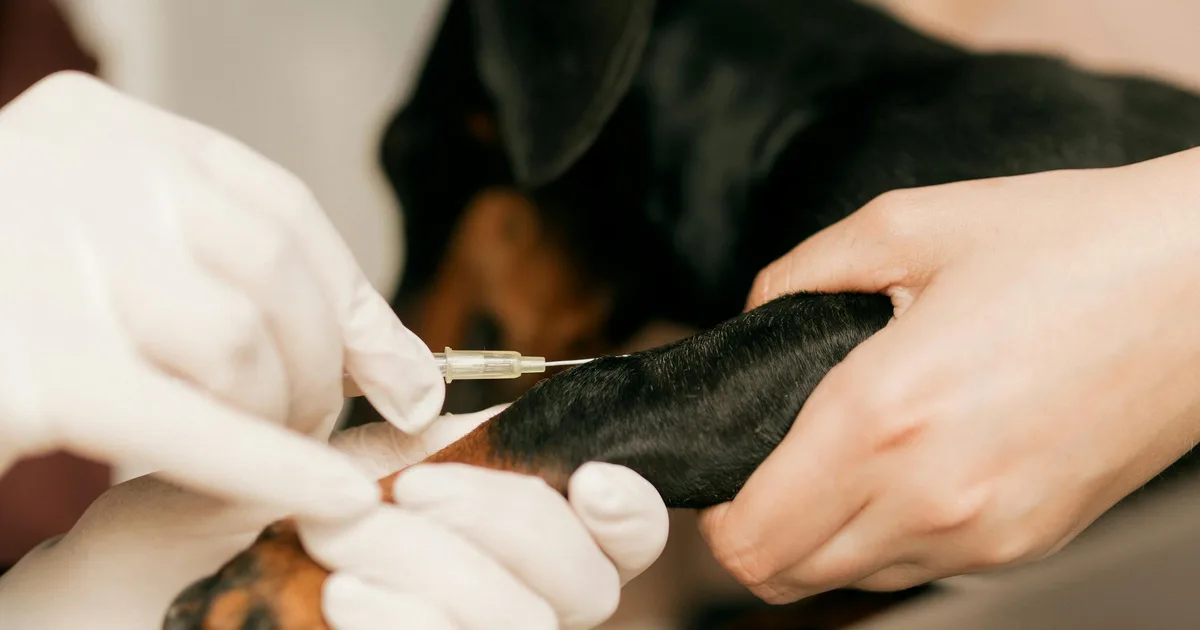
Puppy Vaccination Schedule in Ensenada, Baja California
Complete guide with ages, required vaccines, and tips to protect your puppy in Baja California.
Read the full guide →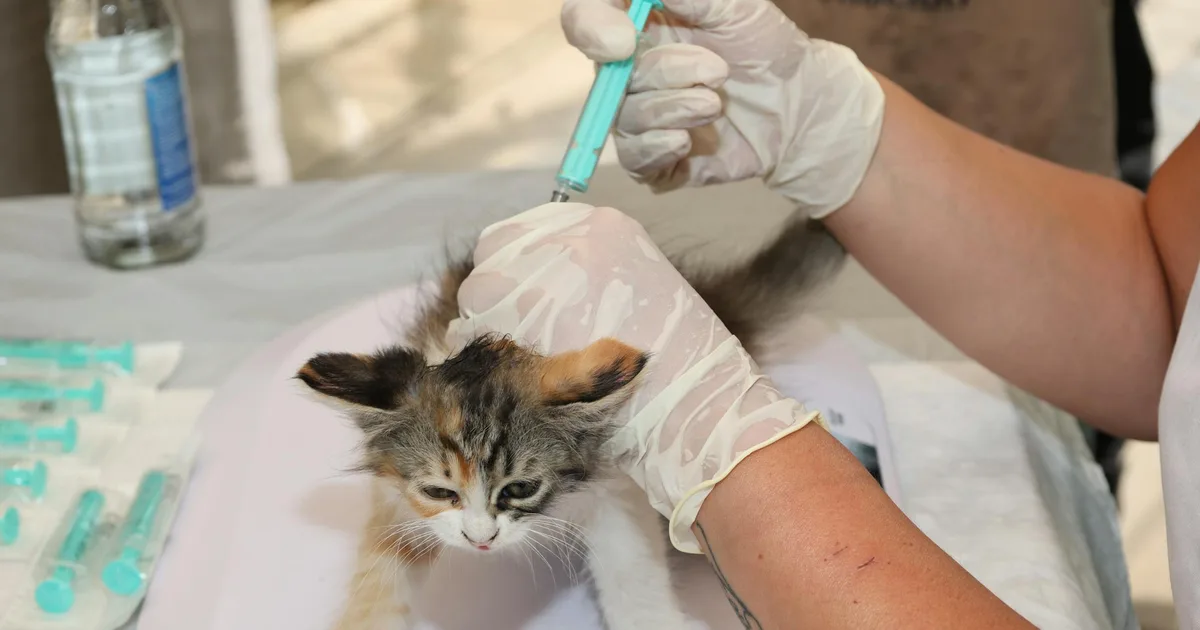
Mandatory Cat Vaccines in Mexico: Complete Guide
Official schedule, ages, boosters, and answers to the most common questions about feline vaccination.
Read the full guide → Rabies Vaccine for Dogs and Cats: When and Why It Is Mandatory
Everything about the most important vaccine for your pet: age of application, boosters, BC law, and consequences of not vaccinating.
Read the full guide →Common myths about pet vaccination
Many false beliefs lead well-intentioned owners to put their pet at risk. These are the most frequent in consultation:
"My pet never goes out, it does not need vaccines"
False. Feline panleukopenia and canine parvovirus survive months in the environment and can enter the home on shoes or clothing. Additionally, the rabies vaccine is mandatory by law regardless of whether the pet goes out.
"Free brigades are enough"
Municipal brigades apply rabies vaccines with good biological quality, but the issued certificate is often not accepted for international travel, surgery, or boarding paperwork. For those cases you need a certificate issued at a clinic with the veterinarian seal and individual record.
"If I missed the schedule, applying them is no longer useful"
False. Most schedules can be continued from where they left off, and rabies does not need to restart: a single dose activates immunity, followed by the annual booster. There is no age limit to start vaccinating.
"Vaccines cause cancer or serious side effects"
Rare reactions exist (fibrosarcomas in cats, allergic reactions) but their frequency is very low and the benefit greatly outweighs the risk. Modern vaccines are increasingly safer and clinical protocols minimize adverse effects.
"Vaccines are too expensive"
The cost of a complete first-year schedule is significantly lower than treating a single preventable disease. A hospitalized parvovirus case can cost 10 to 20 times more than vaccinating your puppy on time, and survival is not guaranteed.
What does a vaccination visit look like at Medical Pets?
To know what to expect, this is the step-by-step process when you bring your pet:
- Pre-clinical examination: the veterinarian checks temperature, mucous membranes, weight, hydration, and rules out any active disease that contraindicates the vaccine that day.
- Schedule confirmation: we review the booklet (if any), history, and decide which dose to apply based on age and background.
- Application: the vaccine is applied subcutaneously (under the skin) usually in the neck or flank. The procedure takes seconds.
- Recording: we stamp the booklet with date, brand, batch, and expiration of the vaccine. If it is rabies, we also issue an official certificate.
- 15-20 minute monitoring: if it is the first dose, we ask you to stay at the clinic to monitor for immediate allergic reaction.
- Aftercare instructions: which reactions are normal, which require attention, and when to return for the next booster.
Services complementary to vaccination
Vaccination works best combined with other preventive practices. At each vaccination visit we can also:
- Deworm: ideally eliminate internal parasites (worms) before vaccination, as they may weaken the immune system.
- Insert microchip: permanent identification useful if your pet gets lost. More details in our microchip guide.
- General exam: check ears, teeth, skin, and behavior. The vaccination visit is an excellent opportunity to detect issues early.
- Official certificates: if your pet needs to travel or comply with legal paperwork, we can issue the corresponding documents.
Where to vaccinate your pet in Ensenada?
At Medical Pets Ensenada we apply canine and feline vaccination schedules with certified vaccines, guaranteed cold chain, and complete recording in an official booklet. Dr. Areli Priscila Caballero Rodríguez and our team guide you based on age, species, and lifestyle.
Frequently asked questions about pet vaccination
At what age can I start vaccinating my pet?
Both puppies and kittens can begin the vaccination schedule between 6 and 8 weeks of age. Before that age, maternal antibodies protect the animal and applying the vaccine would be ineffective. The rabies vaccine is applied later, around 12 to 16 weeks.
How do I know which vaccines my pet needs?
It depends on species, age, health status, lifestyle, and whether the pet travels or contacts other animals. At the first consultation, your veterinarian evaluates all these factors and builds a personalized schedule. In general, all dogs and cats need rabies (mandatory) and the polyvalent or feline triple vaccine.
How long do vaccine effects last?
Depends on the vaccine. Most protect between 12 months and 3 years, depending on brand and individual. By health regulation in Mexico, rabies requires a 12-month booster to keep the certificate current, although some brands biologically last longer.
Are vaccines really mandatory in Ensenada?
The rabies vaccine is mandatory by state and municipal law for all dogs and cats in Baja California, regardless of whether they go outdoors. Other vaccines (canine polyvalent, feline triple, FeLV, etc.) are not legally required but are standard requirement for boarding, travel, surgery, and veterinary care.
Can I vaccinate my pet if it is sick or weak?
Generally no. The vaccine stimulates the immune system, and if your pet has an active infection, parasites, or chronic disease, the effect may be reduced or cause additional discomfort. Your veterinarian will examine before and decide whether to apply or postpone until your pet is stable.
What if my pet had an allergic reaction to a previous vaccine?
Critical information you should always share with your veterinarian. In those cases we evaluate changing the vaccine brand, premedication with antihistamines, or, in exceptional cases, spacing the schedule. Most pets with previous mild reactions can continue vaccination with a modified protocol.
Medical Pets
Need a consultation?
Contact us and we will gladly guide you toward the service your pet needs.