
Content pillar · Preventive surgeries
Spaying and neutering pets
Simple surgeries with huge benefits: prevent cancers, eliminate bothersome hormonal behaviors, and reduce animal overpopulation. Complete guide to decide when and how.
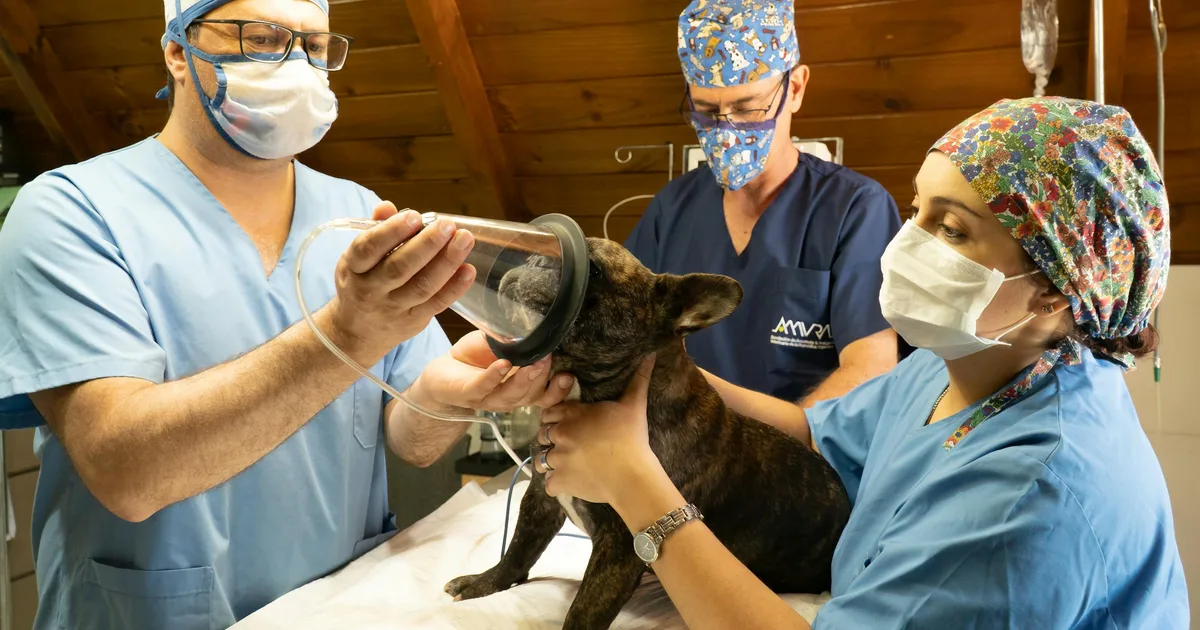
Why consider spaying or neutering?
These surgeries have the greatest positive long-term impact on your pet\'s health and quality of life. A single intervention dramatically reduces the risk of reproductive cancers, eliminates serious hormonal diseases, and resolves heat-related behaviors that often frustrate owners.
The main benefits:
- Cancer prevention: testicular and prostate cancer in males, ovarian and uterine in females are eliminated completely. Breast cancer in females is dramatically reduced if spayed before first heat.
- Pyometra elimination: potentially fatal uterine infection in older intact females. No uterus, no pyometra.
- Reduction of marking, escape, and hormonal aggression: behaviors significantly improve after surgery.
- Increased life expectancy: on average, spayed/neutered pets live 2-3 more years than intact ones.
- Social contribution: fewer unplanned litters means fewer abandoned animals.
Spaying females vs neutering males
Procedures differ in complexity, recovery, and considerations. Each has its detailed guide with specific ages, species myths, and answers to the most frequent doubts:
Spaying Dogs and Cats: When, Risks, and Benefits
Ideal age, what the procedure does, health benefits, and myths to dismantle before deciding.
Read the full guide →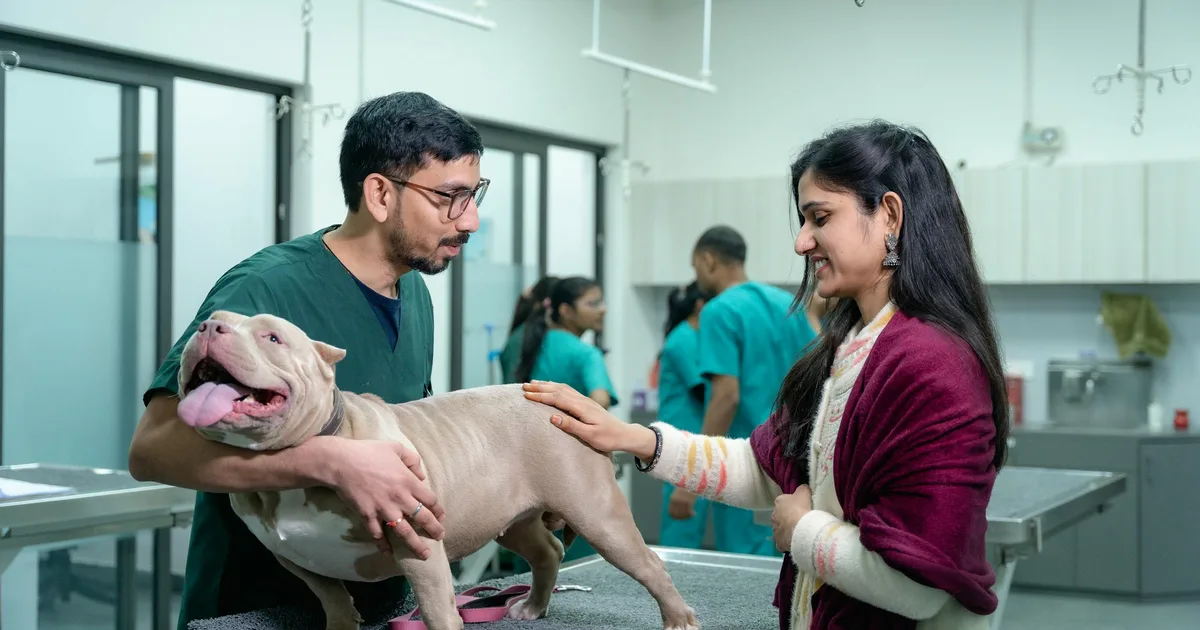
Neutering Male Dogs: What You Need to Know
Ideal age, real benefits (and exaggerated ones), surgical process, and honest answers about behavior changes.
Read the full guide →The step-by-step process at Medical Pets
So you know exactly what to expect, this is how we manage these surgeries:
- Pre-surgical evaluation: complete physical exam, blood work and, in pets over 6 years, expanded biochemical profile. We rule out anemia, hepatic, renal, or cardiac issues affecting anesthesia.
- Pre-op fasting: 8-12 hours without food and 2 hours without water before surgery to reduce regurgitation risk under anesthesia.
- Premedication: analgesics and sedatives that reduce stress and pain even before anesthesia.
- Balanced general anesthesia: intravenous induction + inhalational maintenance. Continuous monitoring of heart rate, oxygenation, pressure, temperature.
- Surgery: 15-30 minutes for male neutering, 30-60 minutes for female spaying, depending on size.
- Initial recovery: 1-2 hours at the clinic under observation until your pet is conscious, stable, and pain controlled.
- Discharge and follow-up: detailed home care instructions, oral analgesics, and follow-up at 10-14 days for suture removal.
Post-surgery care
The success of surgery depends on both the procedure and home care. These are the key points:
- Elizabethan collar 24 hours for 10 days: prevents licking or biting the wound. Main cause of complications when not used.
- Quiet padded space: avoid jumping on sofas, high beds, stairs for 10-14 days.
- No baths until sutures are removed: wound must stay dry.
- Analgesics as directed: do not interrupt treatment even if appearing recovered.
- Daily wound review: minimal redness is normal. Significant swelling, discharge, bad smell, or fever require immediate consultation.
For a detailed guide, see our postoperative care article.
Where to spay or neuter your pet in Ensenada?
At Medical Pets Ensenada we perform spaying and neutering with modern protocols: balanced anesthesia, continuous monitoring, multimodal pain control, and post-surgery follow-up. Dr. Areli Priscila Caballero Rodríguez has experience in soft tissue surgery.
Frequently asked questions about spaying and neutering
What is the difference between spaying and neutering?
In common practice they are used interchangeably, but technically spaying refers to females (removal of ovaries and uterus) and neutering to males (removal of testicles). Both eliminate reproductive capacity and associated hormonal behaviors, but surgical procedures differ in complexity.
What age is ideal for the surgery?
Generally, females before the first heat (5-8 months). Males depend on size: small breeds at 6-9 months, medium breeds at 9-12 months, large breeds at 12-18 months to allow growth plate closure. Each case is evaluated individually.
Is the surgery painful for my pet?
Not during surgery, under general anesthesia. In the first 24-48 hours post-op there is discomfort we control with potent analgesics. We apply multimodal pain protocols (anesthesia + opioids + NSAIDs) to keep your pet as comfortable as possible. From day 3-4 onward, analgesics are usually no longer needed.
Will my pet change personality after surgery?
Not substantially. Core personality (affectionate, playful, shy, active) does not change. What does change are hormonal behaviors: territorial marking, escape for reproduction, heat-related aggression in females. If you expect surgery to fix non-hormonal behavior problems (fear aggression, excessive barking), you will be disappointed: those need training.
Will my pet automatically gain weight?
Metabolism decreases (10-15%) after surgery. If you do not adjust diet and maintain exercise, weight gain happens. With ration adjustment and regular activity, no weight gain. Preventable, not inevitable.
Is it ethical not to spay/neuter my pet?
Personal decision, but consider: each unplanned litter contributes to overpopulation and suffering of millions of street dogs and cats. If you decide not to sterilize, you must guarantee no accidental reproduction. In most homes, sterilization is the most responsible option.
Medical Pets
Need a consultation?
Contact us and we will gladly guide you toward the service your pet needs.