
Content pillar · Integral care
Integral pet care
From the first puppy consultation to senior dog geriatric care. Complete guide by life stages and preventive plans.
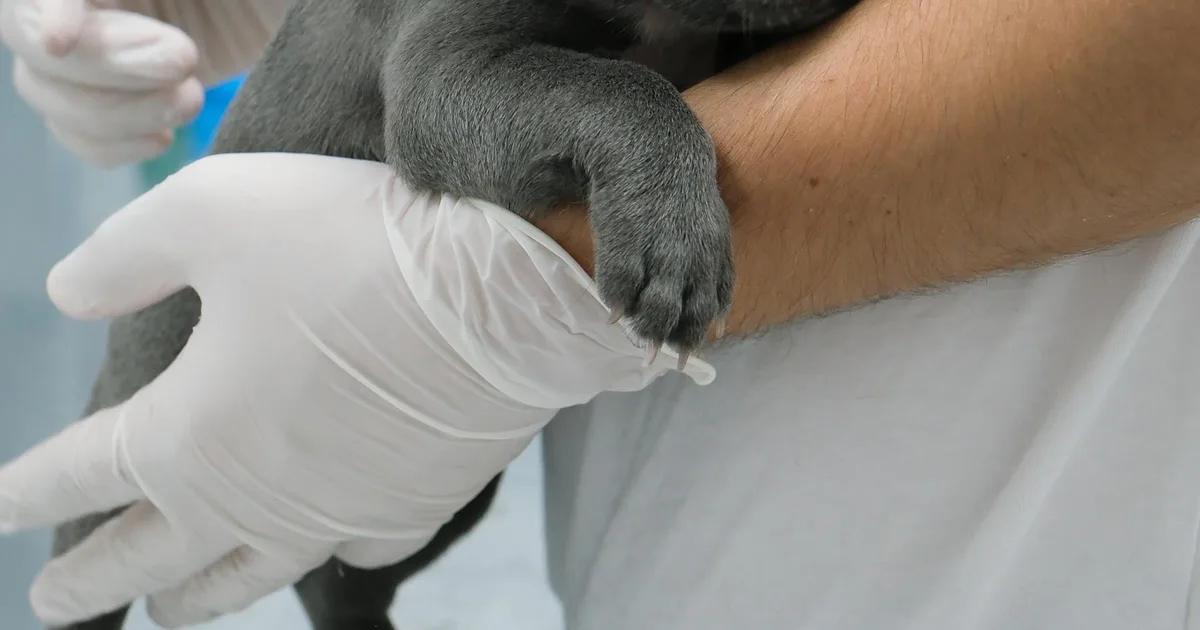
Each stage requires different care
A pet is not the same at 2 months as at 10 years. Their nutritional needs, vet visit frequency, vaccines, exercise, and preventive care change with age. Ignoring these changes leads to problems that become chronic or terminal when detected late.
The two critical stages we cover in this cluster:
- Puppy: establish health baseline, start preventive schedule, early socialization.
- Senior: detect chronic diseases in early stages, adjust feeding and exercise, manage pain and quality of life.
Guides by life stage and situation
First Vet Visit: What to Expect with Your Puppy
How to prepare your pet for its first consultation, what to expect, and why this visit shapes the rest of its health.
Read the full guide →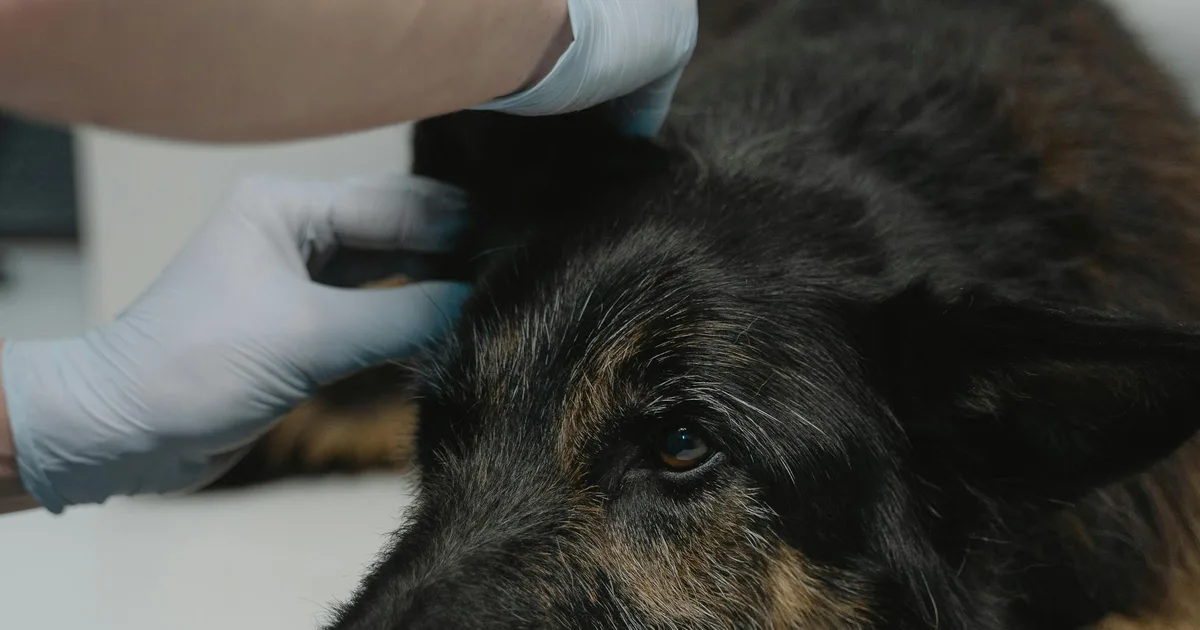
Care for Senior Dogs Over 7 Years: Canine Geriatrics Guide
Physical changes, common diseases, nutrition, and how to maintain good quality of life in senior dogs.
Read the full guide →Recommended veterinary visit frequency
This is the general guide we apply at Medical Pets, adjustable based on individual health status:
- 0-4 months (puppy): visit every 3-4 weeks to complete vaccination schedule, deworming, and development review.
- 4-12 months: consultation at 6 months to evaluate growth, before spaying/neutering.
- 1-7 years (healthy adult): annual consultation with vaccine boosters + deworming, dental review, optional blood work.
- 7+ years (senior, small breeds) / 6+ years (medium) / 5+ years (large): consultation every 6 months with annual biochemical profile.
- 10+ years: every 4-6 months, ideally with biannual analysis.
To this schedule are added follow-up visits for chronic diseases (diabetes, kidney failure, etc.) and targeted check-ins when a new symptom appears.
Complementary services for integral care
Beyond regular visits, there are services worth knowing and taking advantage of:
- Complete vaccination: schedules for puppies, kittens, adults, and annual boosters with official certificate.
- Parasite prevention: fleas, ticks, heartworm, intestinal parasites.
- Spaying and neutering: preventive surgery with health and behavior benefits.
- Dental cleaning: under anesthesia, essential from 3-5 years.
- Laboratory analyses: blood, urine, parasites, biochemical profile, feline leukemia test.
- Soft tissue surgery: tumor removal, hernias, sterilizations.
- Diagnostic imaging: X-rays and ultrasounds for accurate diagnosis.
- Microchip: permanent identification. See our microchip guide.
- Official certificates: rabies, international for travel, sanitary.
Find the ideal plan for your pet
At Medical Pets Ensenada we build personalized care plans based on life stage, breed, and history of your pet. From the first puppy consultation to geriatric care, we accompany you throughout the animal\'s life.
Frequently asked questions about integral care
How often should I take my pet to the vet?
Puppies: every 3-4 weeks during the first 4 months to complete vaccination. Healthy adults: once a year for checkup and vaccine boosters. Senior pets (dogs over 7, cats over 10): every 6 months with annual blood work. This frequency allows detecting problems in early stage when treatable.
How do I know what life stage my pet is in?
Puppy: 0-12 months. Young adult: 1-7 years in dogs (1-10 in cats). Mature adult: 7-10 years in small breed dogs, 5-7 in large breeds. Senior: 9+ years in small breeds, 7+ in medium, 6+ in large. Geriatric: 12+ years in any species. Each stage has specific needs.
Is it necessary to have a primary vet or can I go to different ones?
Having a primary vet has great advantages: knows complete history, detects subtle changes between visits, builds relationship with your pet (reduces stress), has access to booklet and history. Constantly changing fragments care. Ideally a primary vet who accompanies your pet through life.
What documents should I keep for my pet?
Official vaccine booklet (with seals, dates, batches), rabies certificate, previous test results, prescriptions for chronic medications, surgery and hospitalization history, microchip registry if applicable, adoption/purchase papers. Having everything digitized (photo) on your phone is useful in emergencies.
How to choose the best veterinary clinic?
Some criteria: vet professional certification (MVZ license), clean and modern facilities, clarity in prices and procedures, honest communication about treatment options, respectful animal handling. Online reviews can help but are not infallible; an exploratory first visit helps evaluate.
How much does it cost to care for a pet annually?
Varies greatly by species, size, and specific needs. For a healthy medium dog without chronic diseases: feeding 6,000-12,000 MXN/year, vaccines and deworming 2,000-4,000, external antiparasitic 3,000-5,000, annual consultation 800-1,500, neutering (one-time) 2,000-5,000. Average total: 15,000-25,000 MXN/year. Pets with chronic diseases or emergencies can cost significantly more.
Medical Pets
Need a consultation?
Contact us and we will gladly guide you toward the service your pet needs.