
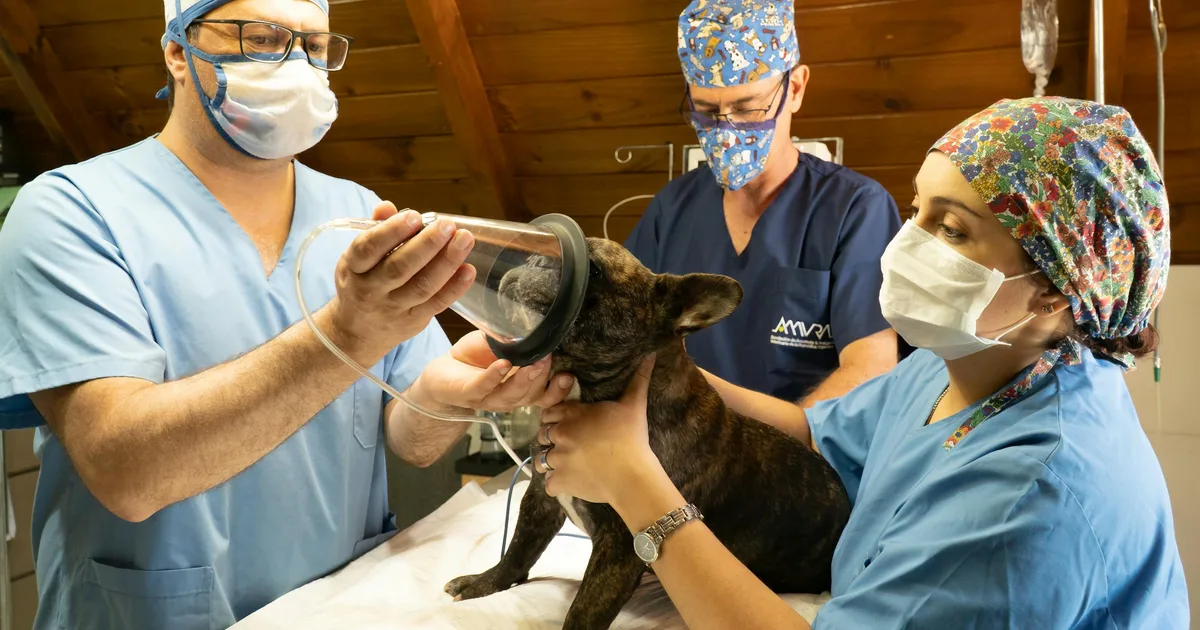
Spaying your female dog or cat is probably the medical decision with the greatest long-term impact you can make for her. A single surgery eliminates significant risks of cancer, potentially fatal uterine infections, and behaviors linked to heat. It also prevents unplanned litters that contribute to the serious problem of pet overpopulation in Mexico.
This guide explains exactly what spaying is, at what age to do it, what benefits and risks to expect, and dismantles the most common myths we hear in consultation.
What exactly is spaying?
Spaying in females is surgery that removes the ovaries and, in most cases, the uterus as well. There are two variants:
- Ovariohysterectomy (OVH): removal of ovaries and uterus. Standard in Mexico, definitively eliminates uterine cancer and pyometra risk.
- Ovariectomy (OVE): removal of ovaries only, leaving the uterus. More common in Europe. Same effectiveness for eliminating heat cycles and most hormonal risks, with slightly shorter surgery.
At Medical Pets we apply standard OVH protocols with balanced anesthesia and continuous monitoring. The procedure lasts 30 to 60 minutes depending on animal size.
At what age to spay a dog or cat?
Dogs
Traditional recommendation is to spay before the first heat, typically between 5 and 8 months depending on breed. Spaying before the first heat dramatically reduces breast cancer risk in adulthood (up to 95% less risk).
In large and giant breeds (Labrador, German Shepherd, Great Dane), some veterinarians recommend waiting until the first or second heat to allow complete bone development. Your veterinarian will evaluate risk-benefit by breed and history.
Cats
In cats, the recommendation is to spay between 5 and 6 months, before the first heat. Cats can become pregnant from 4 months if they access outdoors. Early spaying eliminates heat meowing, escape attempts, and unwanted pregnancies.
Pediatric spaying (3-4 month kittens/puppies)
In shelters and mass campaigns, pediatric spaying is performed starting at 8 weeks. It is safe when done by experienced personnel. Not necessary for family pets but viable if there are specific reasons.
Health benefits
- Elimination of ovarian and uterine cancer: without ovaries or uterus, these cancers cannot develop.
- Dramatic reduction of breast cancer: if spayed before the first heat, risk drops from 26% (intact females) to less than 1%.
- Elimination of pyometra: potentially fatal uterine infection affecting up to 25% of intact females over 10 years.
- Elimination of pseudopregnancy: psychological pregnancy with bothersome hormonal changes.
- Elimination of heat cycles and bleeding: no more heat or characteristic vaginal bleeding.
Behavior benefits
- Reduced escape tendency: females in heat emit pheromones that attract males from kilometers away; without heat, this motivation disappears.
- Reduced heat-related aggression: some dogs become irritable or territorial during heat. Spaying eliminates this.
- Reduced marking: though more common in males, some females also mark during heat.
Social benefits
In Mexico there are millions of street dogs and cats. Each unplanned litter contributes to the problem. Spaying your pet is a responsible act that reduces abandonment, shelter euthanasia, and animal suffering on a large scale.
Additionally, a spayed pet lives on average 2-3 more years than an intact one, mainly from elimination of reproductive cancers and pyometra.
Risks of the procedure
Spaying is major surgery, not without risks, although most are very low in clinics with modern protocols:
- Anesthesia reactions: rare (less than 1 in 1,000) in healthy young animals. Pre-surgical exam and blood work minimize risk.
- Intraoperative bleeding: uncommon with proper surgical technique.
- Postoperative wound infection: preventable with home care (Elizabethan collar, keeping wound clean).
- Long-term weight gain: metabolism drops slightly after spaying. Manageable with proper diet and exercise.
- Urinary incontinence: may appear years later in some large breed females. Treatable with medication.
Myths we hear in consultation
"My dog needs to have a litter first"
False. There is no proven medical or emotional benefit for the dog to have offspring before being spayed. On the contrary: with each heat the risk of breast cancer and pyometra increases.
"She will become irreversibly overweight"
It is true that metabolism changes and she needs 10-15% fewer calories. With diet and exercise adjustments, a spayed dog maintains healthy weight without problem.
"Her personality will change"
False. Your dog's core personality (affectionate, playful, shy) does not change. The only things that change are heat-related behaviors, which disappear.
"My dog is too old to be spayed"
It depends, but generally no. An 8-10 year old dog without active disease can be spayed with thorough pre-surgical exam. In older dogs at risk of pyometra, spaying is preventive.
Where to spay your pet in Ensenada?
At Medical Pets Ensenada we perform spaying with balanced anesthesia, continuous surgery monitoring, pre and post-operative pain control, and recovery follow-up. Dr. Areli Priscila Caballero Rodríguez has experience in soft tissue surgery.
For detailed post-care, see our postoperative care guide. Schedule the surgery or pre-assessment.
Frequently asked questions
How long does recovery from spaying take?
Initial recovery is 10 to 14 days. The first 3 days your pet will be more drowsy with reduced appetite from anesthesia and analgesics. From day 4-5 she returns to normal activity but must remain limited (no running, jumping, or vigorous play) until sutures are removed at 10-14 days.
Can a pregnant cat be spayed?
Technically yes (surgery removes the uterus with the fetus). It is an ethical decision discussed with the owner; in cats at medical risk, multiple unwanted pregnancies, or without conditions to raise kittens, it is recommended. Ideally spay before pregnancy.
Is the procedure painful?
Not during surgery, she is under general anesthesia. In the first 24-48 hours post-surgery there is discomfort we control with analgesics. We apply multimodal pain protocols to keep your pet comfortable. By day 3-4 analgesics are usually no longer needed.
How do I care for the wound?
Use an Elizabethan collar 24 hours for the first 10 days to prevent licking or biting. Keep clean and dry (no baths). Check daily: minimal redness is normal, swelling or abnormal discharge requires consultation. Do not allow jumping, running, or vigorous play.
When can she return to normal activity?
Calm leashed walks from day 5. Gentle play from day 10. Full activity (running, vigorous play, free yard) after final checkup at 14 days, if the wound healed well.
What if my dog already had a litter?
She can still be spayed and it is recommended. After the last litter wait 2-3 months for the uterus to return to size and lactation to finish completely. Spaying prevents future unplanned pregnancies and reduces reproductive cancer risk.