
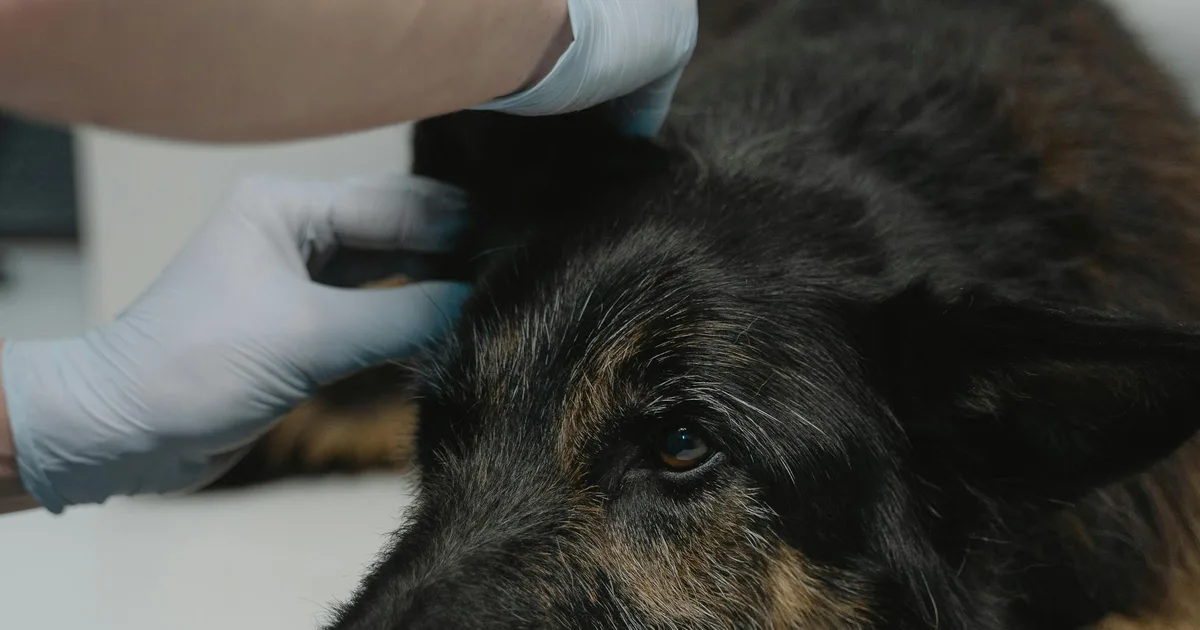
When a dog passes 7 years (or 5-6 in large breeds), it enters its senior stage. It does not mean it is old in a pejorative sense: it means its body changes and needs different care than a young dog. Detecting the typical problems of this stage in time can add years of active happy life, while ignoring them leads to deterioration that hurts both the dog and the owner.
This guide reviews what changes to expect, what diseases to monitor closely, how to adjust feeding and exercise, and when to change the type of veterinary consultations.
At what age is a dog senior?
Depends on size:
- Small breeds (under 10 kg): senior from 9-10 years. Life expectancy: 14-17 years.
- Medium breeds (10-25 kg): senior from 7-8 years. Life expectancy: 12-14 years.
- Large breeds (25-40 kg): senior from 6-7 years. Life expectancy: 10-12 years.
- Giant breeds (over 40 kg): senior from 5-6 years. Life expectancy: 8-10 years.
This difference is because large dogs age biologically faster for reasons not fully clear (metabolism, cell division, genetics). That is why a 7-year-old Great Dane is "old" while a 7-year-old Chihuahua is in its prime.
Typical physical changes in senior dogs
- Gray fur around muzzle, eyes, and ears. Usually the first visible sign.
- Less energy and more sleep hours. Normal up to a point. If extreme, requires evaluation.
- Stiffness when getting up or climbing stairs. Onset of arthrosis.
- Weight gain or loss. Metabolism changes.
- Initial cataracts: eyes look bluer or opaque.
- Mild hearing loss. Starts with high-pitched sounds.
- Increased thirst and urination. Possible early sign of kidney disease or diabetes.
- More marked bad breath. Usually indicates advanced dental disease.
Common diseases to monitor
Arthrosis and joint problems
Almost all senior dogs develop some degree of arthrosis, especially in hips, knees, and elbows. Signs: stiffness on rising, intermittent lameness, reluctance to climb stairs or jump, licking joints. Treatment: veterinary NSAIDs (Galliprant, meloxicam), chondroprotectors (glucosamine, chondroitin), weight control, low-impact exercise.
Chronic kidney disease
Very common in older dogs. Early symptoms: increased thirst and urine, sporadic vomiting, weight loss, bad breath. Diagnosis with blood and urine tests. Treatment: specific renal diet, phosphorus control, hydration, medications by severity.
Dental disease
Nearly 80% of dogs over 5 have periodontal disease. Causes chronic pain, tooth loss, infections that can affect heart and kidneys. Treatment: dental cleaning under anesthesia with extractions if necessary, home brushing, dental diet.
Heart disease
Heart failure and murmurs are frequent in small breeds (Cavalier King Charles, Poodle, Chihuahua) and large (Doberman, Boxer). Symptoms: cough, fatigue, breathing difficulty, fainting. Diagnosis with auscultation, X-ray, and echocardiogram. Treatment with specific medication.
Cancer
Almost 50% of dogs over 10 develop some cancer. Skin lumps, unexplained weight loss, bleeding, progressive lethargy are red flags. Early detection changes prognosis drastically.
Canine cognitive dysfunction syndrome (dementia)
Equivalent of Alzheimer's in dogs. Symptoms: home disorientation, sleep-wake cycle changes (more awake at night), forgetting learned commands, urination in inappropriate places, less family interaction. Treatments exist that improve quality of life (selegiline, specific diets).
Diabetes mellitus
Typically appears in intact females over 7 years. Increased thirst and urination, weight loss despite good appetite. Treatment: daily injectable insulin, specific diet, continuous monitoring.
Senior dog feeding
Nutritional needs change:
- Fewer calories: 20-25% less than a young adult due to lower activity and slower metabolism.
- High quality but moderate protein: NOT restricted (persistent myth). What matters is digestibility and good source.
- Higher fiber content: helps with slow intestinal transit typical of age.
- Joint supplements: glucosamine, chondroitin, omega-3 (fish oil). Help joints and skin.
- Antioxidants: vitamin E, vitamin C. Protect against cellular deterioration.
- Softer or wet kibble: if dental problems exist.
Senior kibble brands like Royal Canin Mature, Hills Mature Adult, Purina ProPlan Bright Mind are designed for this stage. Your vet recommends by body condition and existing diseases.
Exercise in senior dogs
Reduce intensity, do not eliminate exercise. Shorter but more frequent walks (3-4 short instead of one long). Avoid intense running, jumping, very irregular terrain. Swimming is excellent because it works muscles without joint impact.
Veterinary consultation frequency
While a young adult dog is seen once a year, seniors need biannual checkups. This allows detecting problems in early stages when treatable.
Each biannual consultation should include:
- Complete physical exam.
- Weighing and body condition evaluation.
- Complete blood work (biochemical profile) at least annually.
- Annual urinalysis.
- Blood pressure.
- Dental review.
- Discussion of behavior and changes observed at home.
Quality of life vs quantity of life
At some point, especially with advanced chronic diseases (terminal cancer, severe kidney failure, uncontrollable joint pain), the hardest question for any owner arises: is it time to consider humanitarian euthanasia?
There is no single answer. A useful guide is the "HHHHHMM" scale (Hurt, Hunger, Hydration, Hygiene, Happiness, Mobility, More good days than bad). If your dog has more bad days than good, cannot move without pain even medicated, does not eat, or has no interest in surroundings, having that conversation with your vet without guilt is appropriate.
At Medical Pets we accompany families in these decisions with honesty and compassion.
Geriatric care at Medical Pets Ensenada
At Medical Pets Ensenada we offer biannual geriatric consultations with expanded biochemical profile, nutritional evaluation, chronic pain management, and follow-up of existing diseases. Dr. Areli Priscila Caballero Rodríguez personalizes the care plan by breed, history, and your pet's quality of life.
Schedule your dog's geriatric consultation if he is 7 years or older and you have not done a biannual checkup.
Frequently asked questions
Is it normal for my older dog to sleep all day?
More sleep is normal, all day is NOT. If your dog is awake less than 4-6 hours total, does not respond to stimuli, or shows no interest in things he used to like, requires evaluation. Can be underdiagnosed chronic pain, canine dementia, or systemic disease.
Can my senior dog be operated on if it has cancer?
Depends on cancer type, general status, biological age (not just chronological), and other factors. Many senior dogs tolerate oncologic surgery successfully if in good condition. The vet will evaluate benefit-risk. Not automatic to rule out surgery for age alone.
Is annual dental cleaning under anesthesia necessary?
In senior dogs with documented dental disease, yes, though not necessarily every year. Modern anesthesia in older dogs is very safe with prior cardiac and biochemical evaluation. Leaving dental disease untreated causes more systemic damage than the well-managed anesthesia risk.
Should my dog continue rabies and polyvalent vaccines when older?
Yes. Rabies is mandatory by law regardless of age. Polyvalents can be spaced to every 2-3 years in healthy older dogs, but not eliminated. Your vet decides case by case. Dogs with active cancer or immunosuppression may need modified schedules.
Can I give him supplements like glucosamine without prescription?
Yes, joint supplements (glucosamine, chondroitin, omega-3) are safe for free use. Correct dose depends on weight. Buy veterinary brands (Cosequin, Dasuquin) rather than human ones (better concentration and form). If your dog takes other medications, consult your vet.
When do I know it is time for humanitarian euthanasia?
No single answer. Some signs: sustained appetite loss despite medication, pain not responding to analgesics, inability to get up or move, incontinence causing suffering, loss of interest in family and environment. If your dog has more bad days than good, it is time for the conversation with your vet.