
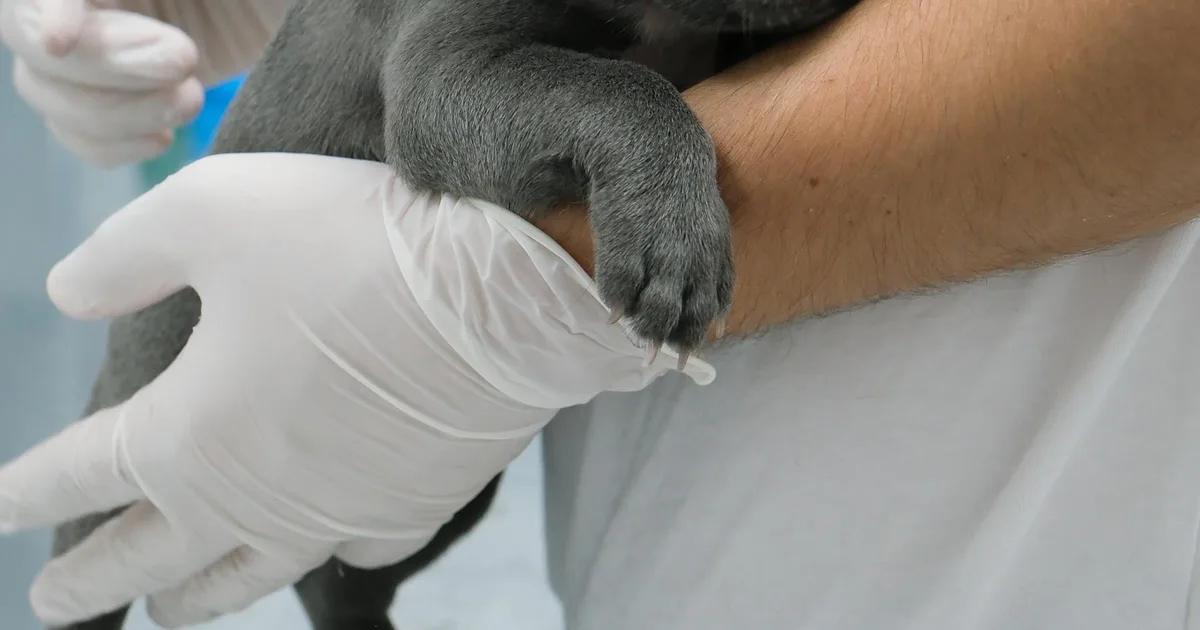
Bringing a puppy to the vet for the first time is a key moment. It is the consultation where your pet's health baseline is established, the vaccination schedule starts, and a relationship with the veterinary team that will accompany you throughout the animal's life is built. It is also where we resolve those questions that appear in the first days with a new puppy: is it eating well? Is it normal to sleep so much? When can I bathe it?
This guide explains how to prepare for the first visit, what exams are performed, how to manage puppy stress, and what questions are most important to ask that day.
When to bring the puppy for its first consultation?
Ideally, within the first 1-2 weeks after it arrived home. If you adopted or bought a puppy under 6 weeks, wait until 6-8 weeks for the formal first consultation. If it arrived with evident problems (diarrhea, vomiting, cough, nasal discharge, lethargy), do not wait: bring it immediately.
In this first visit you will accomplish several things at once:
- Establish health baseline (weight, body condition, temperature).
- Detect congenital or acquired problems before they advance.
- Start internal deworming schedule.
- Schedule the vaccination calendar.
- Discuss feeding, exercise, and early socialization.
How to prepare your puppy
The first visit shapes your pet's future attitude toward the veterinarian. If the first experience is positive, the next ones will be easier. Some keys:
Days before
- Get the puppy used to being touched on ears, paws, mouth, and abdomen a few minutes daily.
- If it is a cat, leave the carrier open at home to explore voluntarily. Place inside a blanket with your scent.
- Familiarize the puppy with short car rides if it will travel by car to the clinic.
Day of the consultation
- Do not feed 2-3 hours before (in case it needs blood work or has nervous stomach).
- Give water normally.
- Bring any documents you have: sale or adoption record, previous vaccine booklet (if applicable), known history.
- If your puppy has strange feces, bring a fresh sample for coproparasitological analysis.
- Bring a towel in case of accidents during the wait.
What a complete first consultation includes
At Medical Pets, a first puppy/kitten consultation typically includes:
- Anamnesis: conversation with owner to learn background, puppy's environment, current feeding, owner observations.
- General physical exam: eyes, ears, mouth and teeth (if erupted), skin and coat, abdominal palpation, cardiac and respiratory auscultation, lymph node palpation.
- Vital signs: rectal temperature, heart rate, respiratory rate, body weight, body condition on 1-9 scale.
- Internal deworming: tablet or syrup by weight. Usually pyrantel-praziquantel or fenbendazole.
- First polyvalent vaccine application (if 6-8 weeks or older).
- Nutritional recommendations: brand, amount, schedules. Puppy vs adult differences, kibble vs homemade.
- Next appointment calendar: next vaccines (every 3-4 weeks), upcoming dewormings, future neutering.
- Official booklet: record of everything applied, with seal, date, batch, and expiration of vaccines.
The full consultation typically lasts 30-45 minutes. If additional analyses are needed (blood, coprology, feline leukemia test), it may be longer or a follow-up visit may be scheduled.
Questions you should ask in this consultation
Take advantage of having the veterinarian available. Write them down beforehand so you do not forget:
- What food do you recommend? How much and how many times a day?
- When and how can I bathe my puppy?
- When can I walk it safely?
- How do I brush my pet's teeth?
- What toys are safe and which are dangerous?
- How do I manage potty problems (urination or defecation in unwanted places)?
- When is the ideal age for spaying/neutering?
- What alarm signs should I watch in the first weeks?
- How to socialize without risk before completing vaccines?
How to manage puppy stress
It is completely normal for the puppy to be nervous, trembling, or trying to hide. Some strategies:
- Stay calm: puppies read your energy. If you are anxious, they are too.
- Use soft normal voice: not excessively affectionate (reinforces fear) or authoritarian.
- Small treats during the wait: bits of special food. Creates positive association with the place.
- Let it sniff: in waiting room and consultation room. Its nose needs to know the environment.
- Do not force: if it resists entering the consultation, carry it calmly. Do not pull the leash.
Post-consultation alarm signs
After the first vaccine and deworming, it is normal for the puppy to:
- Be more drowsy than usual 12-24 hours.
- Have mild lethargy.
- Eat slightly less.
- Present mild diarrhea (especially after deworming, from dying worms).
But call the veterinarian immediately if it shows: repeated vomiting, bloody diarrhea, breathing difficulty, facial swelling, seizures, extreme lethargy more than 24 hours, fever, or loss of appetite for more than 36 hours.
First consultation at Medical Pets Ensenada
At Medical Pets Ensenada we design first consultations to be a positive experience for both your puppy and you. Dr. Areli Priscila Caballero Rodríguez takes the time needed to answer all your questions and build with you the first-year preventive health plan.
Schedule your puppy's first consultation or if you just adopted a puppy, message us on WhatsApp and we'll find you the earliest available appointment.
Frequently asked questions
At what minimum age can I bring my puppy?
From 6 weeks for the complete first consultation with vaccine. If it arrived earlier (4-5 weeks) you can bring it for general checkup and deworming, but the first vaccine waits until 6-8 weeks. If it has symptoms of illness, bring it at any age.
How long does the first consultation take?
Between 30 and 45 minutes for a basic healthy puppy/kitten consultation. If additional analyses or immediate issues, it may extend to an hour or schedule a follow-up.
Can I bring my pet without a carrier?
In small dogs and puppies, yes (always with leash). In cats it is not recommended: stress and escape risk are higher. If you do not have a carrier, a closed cardboard box with holes and a towel inside works in emergency, but investing in a good carrier is worthwhile for future visits.
What if I do not remember any of my puppy's history?
No problem. Very common with rescued or adopted puppies without papers. The veterinarian does a complete exam replacing much of the missing history. Blood work and coprology cover the rest. We build history from that consultation.
How much does a first consultation cost?
Varies whether complementary studies are included (blood work, feline leukemia test, ultrasound). The basic consultation with deworming and first vaccine has an affordable cost. Send us a WhatsApp for current pricing.
Does my kitten need the same type of first consultation?
Yes, with feline adaptations: feline leukemia (FeLV) and immunodeficiency (FIV) testing recommended in first visit, softer handling for greater stress sensitivity, cat-specific vaccines. For more details, see our cat vaccination guide.