
Introduction
Rickettsiosis is a disease that has affected humanity for centuries. Although medical knowledge has advanced enormously, it remains a threat in many parts of the world. The disease is caused by bacteria transmitted through ticks, fleas and lice, and can be fatal if not properly diagnosed and treated.
What is Rickettsiosis?
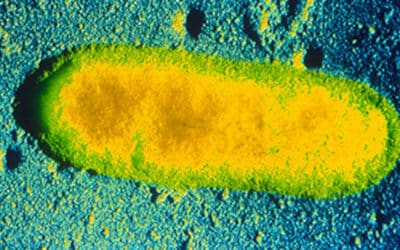
Rickettsiosis is a generic term that refers to infectious diseases caused by bacteria of the genus Rickettsia. These bacteria are transmitted to humans through the bite of infected arthropods, including ticks, fleas and lice.
Common variants include Rocky Mountain spotted fever, typhus, and Mediterranean spotted fever. Symptoms may vary, but often include fever, headache, rash, and general malaise.
How is Rickettsiosis diagnosed and treated?
Diagnosis is generally made through laboratory tests that detect specific antibodies in the blood. PCR tests can also be used to detect bacterial DNA directly.
Treatment is generally managed with antibiotics. Doxycycline is the antibiotic of choice for all forms of Rickettsiosis, and early treatment is important to avoid serious complications.
Prevention of Rickettsiosis
The best way to prevent Rickettsiosis is to avoid bites from ticks, fleas and lice. Wear protective clothing outdoors, use insect repellents, avoid high-risk areas, and keep pets protected against fleas and ticks.
It is also crucial to check the body after being in high-risk areas. If a tick is found, it should be removed carefully and as soon as possible.
Conclusion
Rickettsiosis is a serious disease that can be fatal if not treated in time. With prompt diagnosis and treatment, most people recover completely, but prevention remains the best defense.